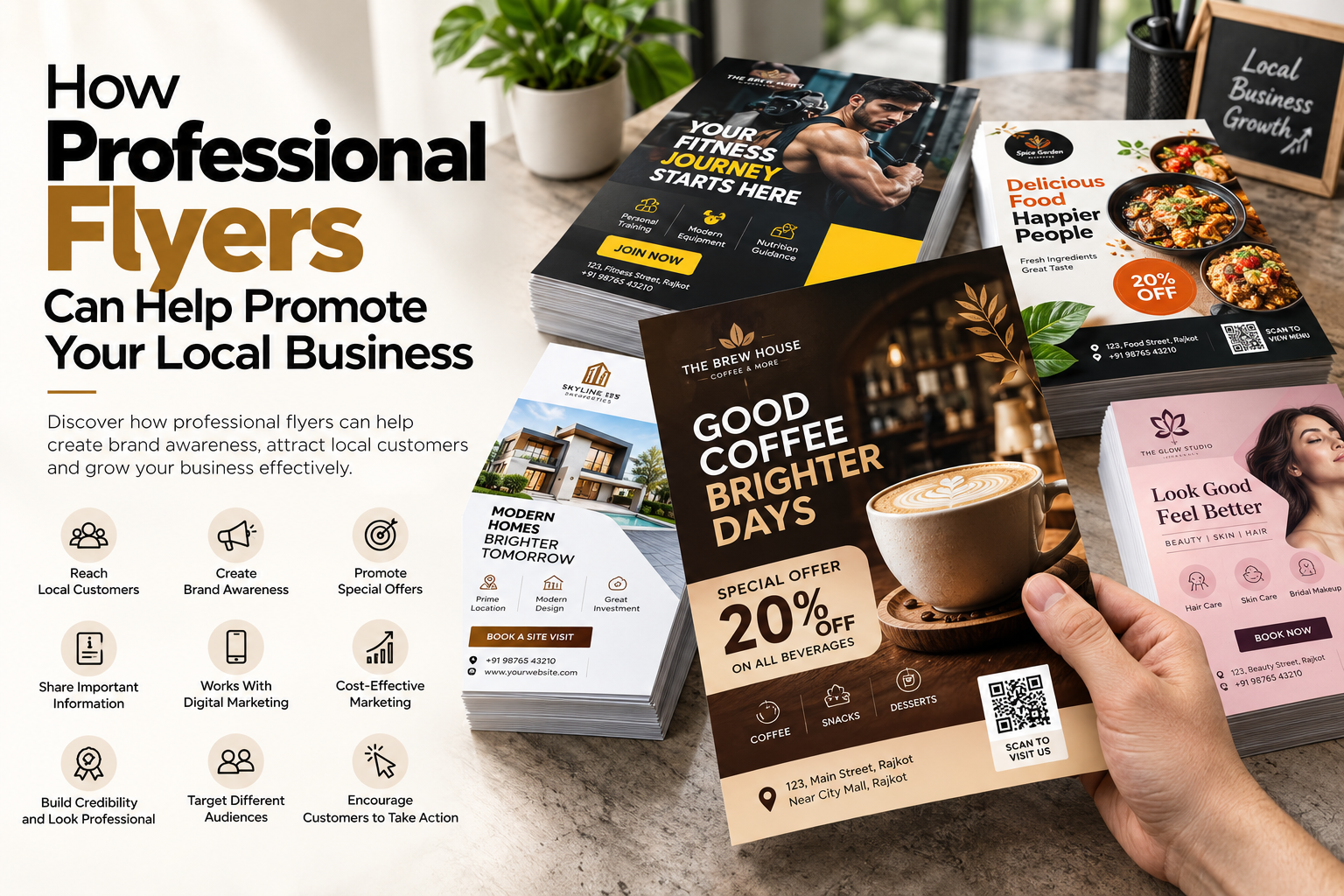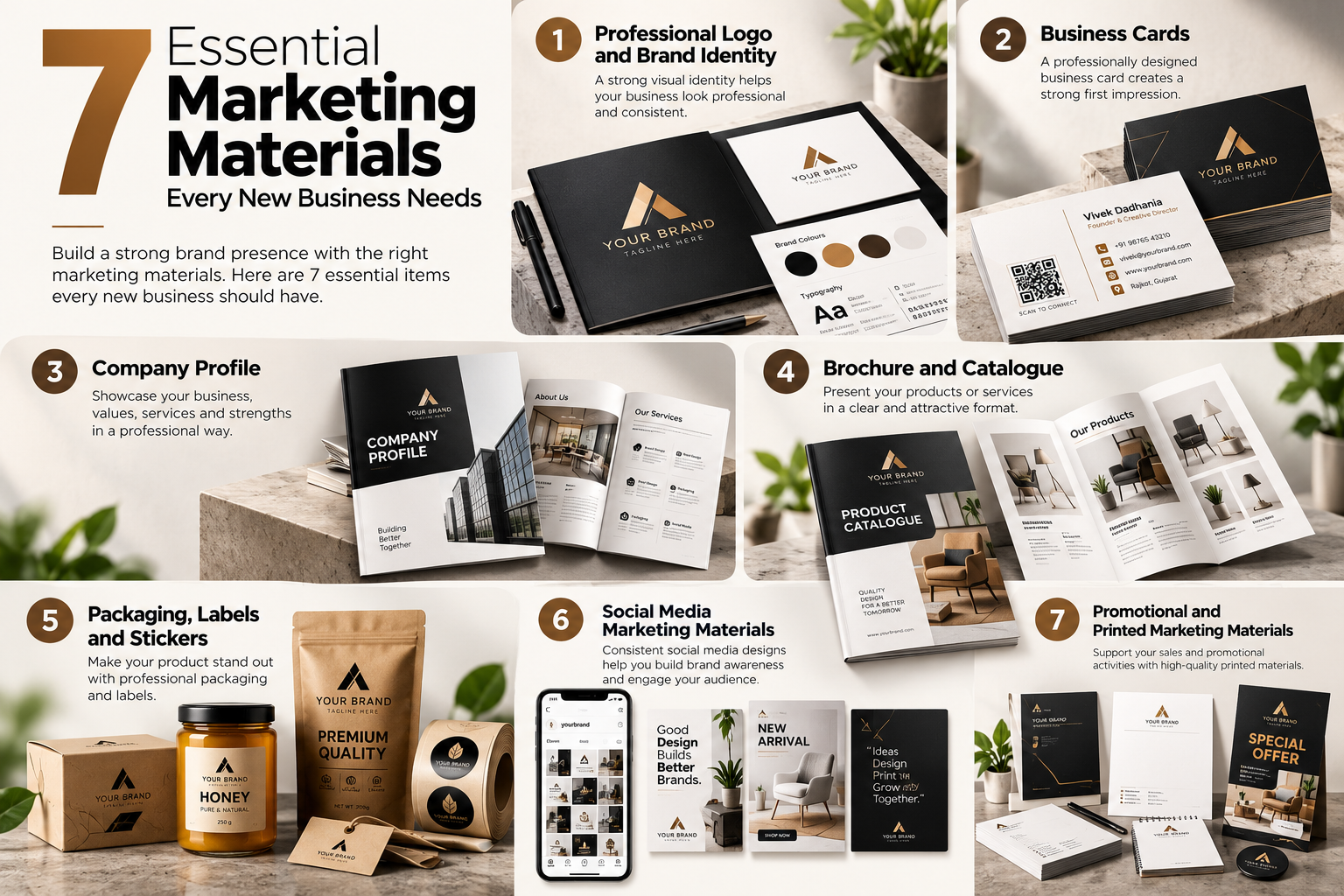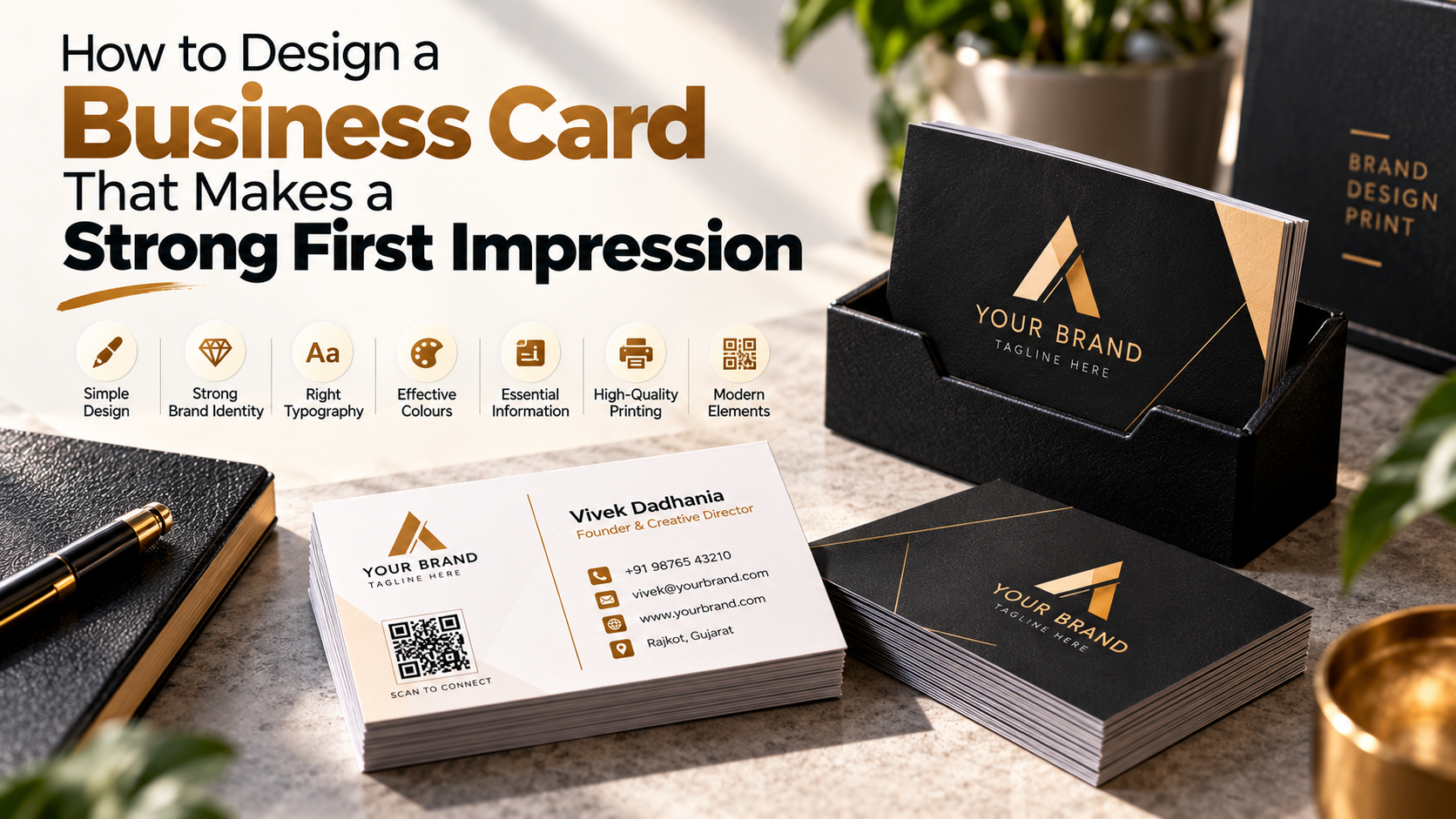

Printing is an important part of business communication and branding. From business cards and brochures to catalogues, packaging, flyers, and marketing materials, the quality of your printed material can directly influence how customers perceive your brand.
When choosing a printing method, two of the most commonly used options are Digital Printing and Offset Printing.
But what is the difference between them? And which one is right for your business?
Let's understand the key differences between Digital Printing vs Offset Printing and when you should choose each method.
What Is Digital Printing?
Digital Printing is a modern printing method where digital files are printed directly onto paper or other materials without requiring traditional printing plates.
It is ideal for businesses that need:
- Small to medium quantities
- Quick turnaround
- Personalized printing
- Short-run marketing materials
- Multiple design variations
- Fast corrections or changes
Digital printing is particularly useful when you need printed material quickly or don't require thousands of copies.
Advantages of Digital Printing
1. Faster Production
Since there is no need to create printing plates, digital printing generally has a faster setup process. This makes it suitable for urgent printing requirements.
2. Cost-Effective for Small Quantities
For smaller quantities, Digital Printing can be more economical because there are fewer setup requirements.
3. Personalization
Digital printing makes it easier to create customized prints. For example, every printed piece can contain different names, numbers, QR codes, or other variable information.
4. Easy Design Changes
If you need to make a last-minute correction to your artwork, digital printing provides greater flexibility before production.
What Is Offset Printing?
Offset Printing is a traditional commercial printing process where the image is transferred from a printing plate onto a rubber blanket and then onto the final printing surface.
It is widely used for high-volume professional printing.
Offset printing is commonly used for:
- Corporate brochures
- Catalogues
- Magazines
- Books
- Corporate stationery
- Flyers
- Packaging
- Large-volume marketing materials
For businesses requiring large quantities, offset printing can provide consistent and professional results.
Advantages of Offset Printing
of Offset Printing
1. Excellent Print Quality
Offset printing is known for producing high-quality and consistent prints, making it suitable for premium corporate and marketing materials.
2. Better for Large Quantities
When you need thousands of copies, Offset Printing can become more cost-effective per piece because the initial setup cost is distributed across a larger quantity.
3. Consistent Colours
Offset printing provides excellent colour consistency, which can be especially important for businesses with strict brand colour requirements.
4. Wide Range of Paper Options
Offset printing can support a wide range of paper stocks, finishes, and printing requirements depending on the project.
digital printing vs offset printing key difference
Understanding the difference between Digital Printing vs Offset Printing can help you select the right solution for your project.
| Feature | Digital Printing | Offset Printing |
|---|---|---|
| Best for | Small & medium quantities | Large quantities |
| Setup | Minimal setup | Printing plates required |
| Turnaround | Generally faster | Generally longer setup |
| Personalization | Excellent | Limited |
| Small quantities | Cost-effective | Usually less economical |
| Large quantities | Can be expensive | More economical |
| Colour consistency | Very good | Excellent |
| Customization | High | Lower |
| Urgent printing | Suitable | Less suitable |
| High-volume printing | Less suitable | Highly suitable |
When Should You Choose Digital Printing?
Digital Printing is a good option when you need a smaller quantity and want your project completed quickly.
For example:
Business Cards
If you need a limited number of business cards or want to test a new design, digital printing can be a practical option.
Small Brochure Orders
For businesses that need only a few hundred brochures, digital printing can provide flexibility without requiring a large production run.
Event Materials
Invitations, event cards, promotional flyers, certificates, and other event-related materials can benefit from the speed of digital printing.
Personalized Marketing
If every printed piece needs different information, digital printing is particularly useful.
When Should You Choose Offset Printing?
Offset Printing is generally more suitable when your business requires high-volume printing and consistent results.
For example:
Large Brochure Orders
If you are printing thousands of brochures for a marketing campaign, offset printing may be more economical per unit.
Product Catalogues
Large catalogues with multiple pages and high-quality images can benefit from offset printing.
Corporate Stationery
Businesses requiring large quantities of letterheads, envelopes, folders, and other stationery can consider offset printing.
Packaging and Marketing Materials
High-volume packaging and promotional materials can also be produced using offset printing depending on the material and project requirements.
Which Printing Method Is More Cost-Effective?
There is no single answer because the cost depends on several factors.
These include:
- Quantity
- Paper type
- Number of pages
- Number of colours
- Finishing requirements
- Printing size
- Design complexity
- Delivery timeline
For smaller quantities, Digital Printing can often be more practical because there are fewer setup costs.
For larger quantities, Offset Printing can become more economical because the setup cost is distributed across a larger number of printed pieces.
Therefore, instead of asking which method is cheaper, it is better to ask:
Which printing method is more suitable for my quantity, quality requirements, and budget?
How to Choose the Right Printing Method for Your Business
Before starting your next printing project, consider these five questions:
1. How many copies do you need?
Small quantity → Digital Printing
Large quantity → Offset Printing
2. How quickly do you need them?
Urgent requirement → Digital Printing
Planned large production → Offset Printing
3. Do you need personalization?
Variable names, numbers, QR codes, or customized information → Digital Printing
4. Is colour consistency important?
For strict corporate colour requirements and high-volume production, Offset Printing can be a suitable choice.
5. What is your budget?
Compare the complete production cost rather than only the per-page or per-piece price.
Digital Printing vs Offset Printing: The Right Choice Depends on Your Project
Both Digital Printing and Offset Printing have their own advantages.
Digital printing provides speed, flexibility, personalization, and convenience, while offset printing is particularly suitable for high-volume production, consistent colour reproduction, and professional commercial printing.
The right choice ultimately depends on your quantity, budget, deadline, material, and quality requirements.
A professional printing partner can help you evaluate these factors and select the most suitable printing method for your project.
Final Thoughts
Printing is not just about putting ink on paper. It is an important part of your overall brand presentation.
Whether you need Brochure Printing, Catalogue Printing, Business Card Printing, Corporate Stationery, Packaging Printing, or other Commercial Printing, choosing the right printing process can help you achieve the desired quality while managing your budget effectively.
So, when comparing Digital Printing vs Offset Printing, don't simply choose based on price. Consider your quantity, deadline, customization requirements, print quality, and overall purpose.
The right printing method can help your business communicate its brand professionally and make a stronger impression on customers.