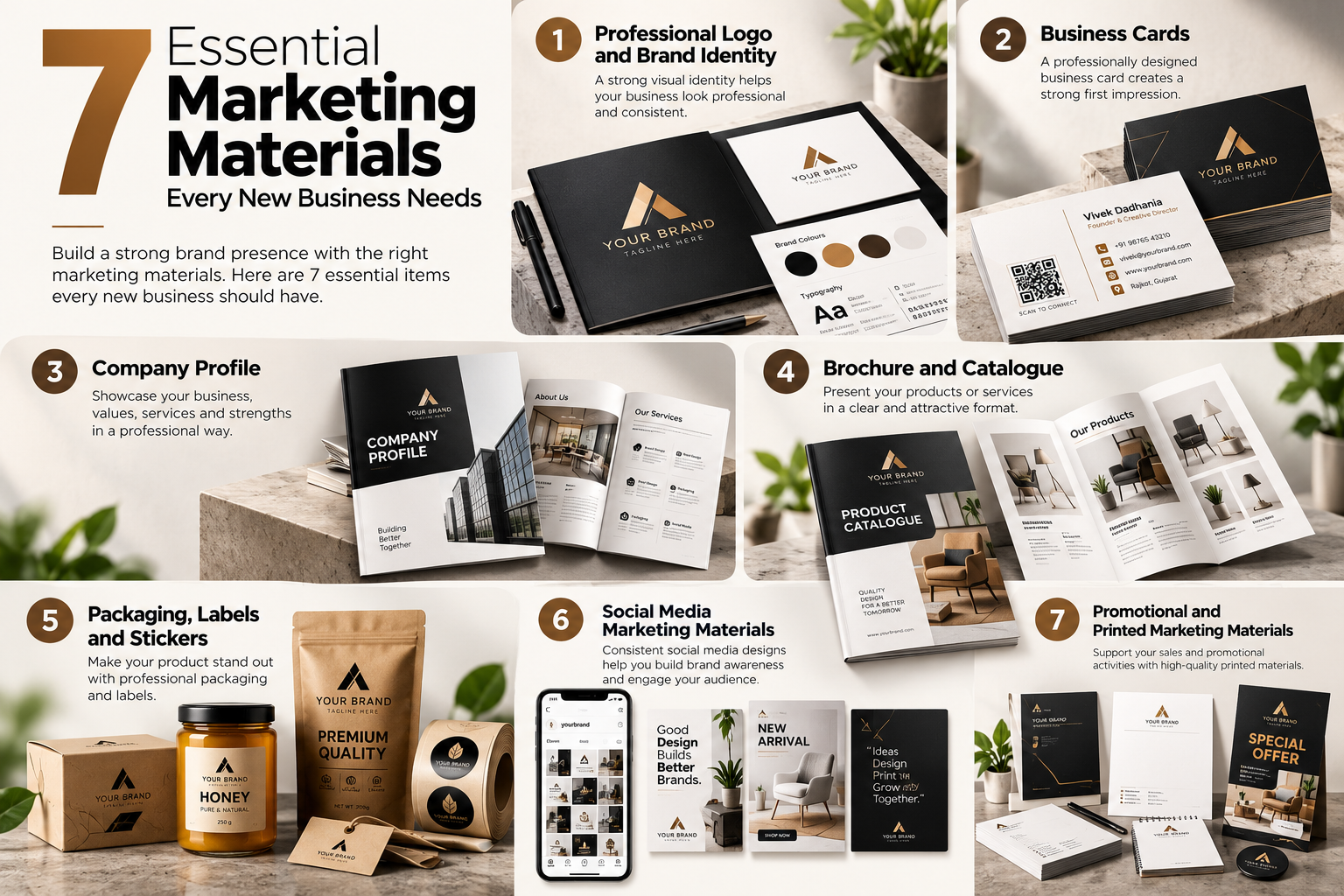

A business card may be small, but it can play a big role in how people remember your brand. Even in the digital age, a professionally designed Business Card remains an important networking and branding tool.
A well-designed card can communicate your professionalism, brand identity, and contact information within seconds. Whether you are a business owner, professional, startup, or freelancer, investing in a professional Business Card Design can help create a strong first impression.
Why Business Card Design Matters
Your business card is often one of the first physical brand materials you give to a potential customer or business connection.
A professional Business Card Design can communicate:
- Professionalism
- Trust
- Brand personality
- Attention to detail
- Business credibility
- Contact information
A poorly designed card, on the other hand, can make your business look less professional.
1. Keep Your Business Card Design Simple
One of the most important principles of effective Business Card Design is simplicity.
Avoid filling the card with too much information or too many graphic elements.
A clean design makes important information easier to find and gives your card a more professional appearance.
Focus on the essentials:
Logo + Name + Designation + Contact Details + Brand Identity
2. Use Your Brand Identity
Your business card should look like a part of your overall brand.
Use your existing:
- Logo
- Brand colours
- Brand fonts
- Typography
- Graphic elements
- Visual style
Consistent Brand Identity Design helps people recognize your business across your website, social media, packaging, brochures, and printed materials.
3. Choose the Right Information
Your business card does not need to contain everything about your business.
Include only the information that is genuinely useful.
A professional business card can include:
- Company logo
- Your name
- Designation
- Company name
- Phone number
- Email address
- Website
- Office address
- Social media handle
- QR code
The information should be organized clearly so the card doesn't feel crowded.
4. Make Your Name and Business Name Visible
Your name and company name are among the most important elements on the card.
Use typography and spacing to create a clear visual hierarchy.
For example:
Vivek Dadhania
Founder & Creative Director
Company Name
This allows the recipient to quickly understand who you are and what business you represent.
5. Choose Professional Fonts
Typography can significantly affect how your Business Card Design looks.
Choose fonts that match your brand personality while remaining easy to read.
You can use:
- Sans-serif fonts for a modern appearance
- Serif fonts for an elegant and traditional feel
- Display fonts for creative brands
- Minimal typography for premium businesses
Avoid using too many different fonts on one card.
Usually, one or two complementary typefaces are enough.
6. Use the Right Colours
Your business card should follow your established Brand Colour Palette.
Choose colours that:
- Match your brand
- Provide sufficient contrast
- Keep text readable
- Work well in print
- Support your brand personality
For example, a premium brand might use a minimal black-and-white palette with a subtle accent colour, while a creative company may use a more expressive colour combination.
7. Use High-Quality Printing
A great design deserves high-quality printing.
When selecting Business Card Printing, consider:
- Paper thickness
- Paper texture
- Matte or gloss finish
- Lamination
- Spot UV
- Foil stamping
- Embossing
- Die-cutting
Premium printing finishes can make your business card feel more distinctive and memorable.
8. Consider the Size and Layout
The standard business card size varies by country and printing requirement, but the most important thing is choosing a practical size that fits easily into wallets and card holders.
Your layout should also provide enough:
- Margins
- Bleed
- Safe area
- Spacing
Avoid placing important information too close to the edges.
9. Use Both Sides Effectively
You don't necessarily need to put everything on the front.
A two-sided Business Card Design can help you create a cleaner layout.
Front Side
Focus on:
- Logo
- Company name
- Brand identity
Back Side
Include:
- Name
- Designation
- Phone
- Email
- Website
- QR code
This gives you more space while maintaining a clean appearance.
10. Add a QR Code
A QR code can connect your physical business card with your digital presence.
You can link it to:
- Website
- Digital business card
- WhatsApp
- LinkedIn
- Portfolio
- Product catalogue
- Contact page
This makes your business card more useful in today's digital environment.
11. Design for Your Target Audience
Your Business Card Design should match the industry and audience you serve.
For example:
Corporate Business
Use a clean, professional, structured design.
Creative Agency
You can experiment with unique layouts, typography, colours, and finishes.
Luxury Business
Minimal layouts, premium paper, elegant typography, and sophisticated finishes can work well.
Startup
Modern typography, strong branding, and a simple contemporary layout can create a professional impression.
The goal is to make the card relevant to your business and audience.
12. Make Your Business Card Memorable
A good business card should not only provide information—it should be memorable.
You can create distinction through:
- Unique layouts
- Creative typography
- Custom shapes
- Premium paper
- Special printing finishes
- Minimal design
- Creative use of your logo
- QR codes
However, creativity should never compromise readability or functionality.
Common Business Card Design Mistakes
Avoid these common mistakes:
- Too much information
- Too many fonts
- Poor-quality images
- Low-resolution logo
- Weak colour contrast
- Inconsistent branding
- Tiny text
- Poor spacing
- Missing contact information
- Incorrect printing setup
A professional designer can help avoid these issues before the file goes to print.
Final Thoughts
A business card is more than a small piece of paper. It is a physical representation of your brand that can continue the conversation after a meeting or networking event.
A successful Business Card Design combines strong branding, clear information, professional typography, effective layout, and quality printing.
Whether you are launching a new business or updating your existing identity, a professionally designed business card can help you create a stronger and more memorable first impression.
Your business card may be small, but your first impression doesn't have to be.